Post-Op Low Back Surgery
After Low Back Surgery: Your Guide to Recovery (Discectomy, Laminectomy, and Fusion)
Recovering from low back surgery takes time, patience, and the right kind of movement. This guide explains what to expect, how to protect your healing back, and how we rebuild your strength step by step.
The most important thing to understand: your surgeon's precautions come first, and walking is your best medicine. Every stage below is adjusted to your surgeon's protocol.
WHAT IS GOING ON
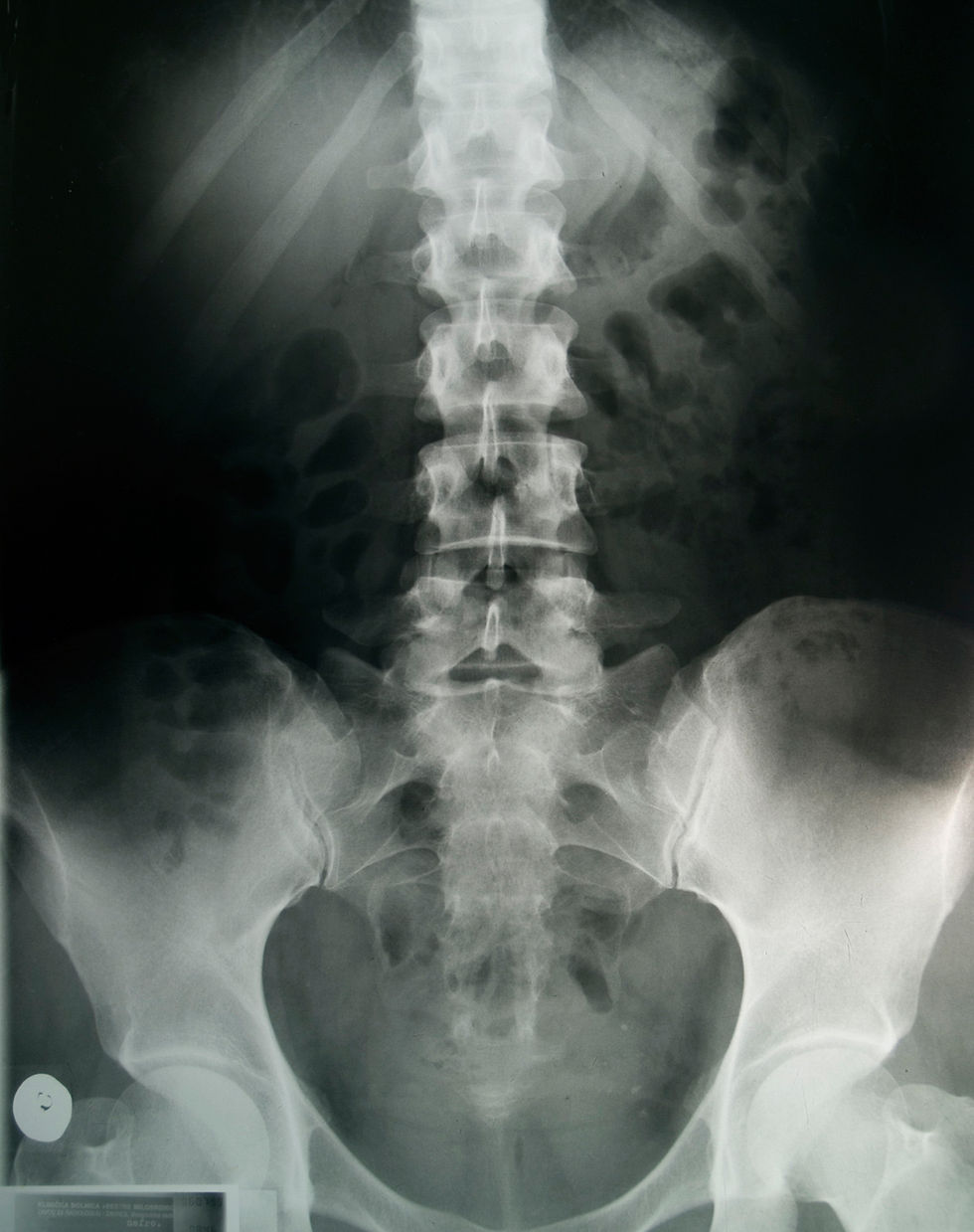
During low back surgery, your surgeon took pressure off irritated nerves and/or stabilized part of your spine. The tissues around the surgery need time to heal, and the muscles that support your spine are often weak and protective after surgery. Rehab focuses on protecting the repair early, walking daily, and gradually rebuilding strength so you can return to normal life.
Old thinking
What we know now
I should stay in bed so my back can heal.
Walking early and often helps healing, circulation, and recovery.
Any pain means something went wrong.
Some soreness is expected while you heal. Steady improvement is what matters.
After surgery my back is fragile forever.
Once healed, most people return to a full, active life with a strong back.
Rehab can wait until I feel better.
Starting the right exercises at the right time leads to a faster, fuller recovery.
Will I get back to normal? Most people improve steadily over the first 3 to 6 months. Your effort with walking and your home program makes a big difference.
YOUR LOW BACK AT A GLANCE
Vertebrae
the bony building blocks (L1 to L5)
Discs
shock-absorbing cushions between the bones
Facet joints
small joints at the back that guide movement
Muscles
support and move the spine
Nerves
exit the spine and travel to the buttocks and legs
WHAT RECOVERY USUALLY FEELS LIKE
- Incision soreness and back stiffness that improve week by week.
- Leg pain from before surgery that eases, sometimes with tingling that settles more slowly.
- Fatigue, especially in the first few weeks.
- Good days and harder days. The overall trend is what matters.
WHY IT HAPPENS
Recovery after spine surgery can be slowed by a few common things:
- Doing too much too soon, especially lifting and twisting
- Sitting for long periods
- Not walking enough
- Poor sleep and stress
- Smoking, which slows healing and fusion
- Skipping the home exercise program
THE RECOVERY CYCLE
After surgery, pain and fear can make us move less. Moving less makes muscles weaker and stiffer, which makes recovery slower. Daily walking and your home program, within your precautions, break this cycle.
YOUR SURGEON'S PRECAUTIONS
Your surgeon will give you specific rules for the first weeks. Common examples are below; always follow your own surgeon's list.
Common early precautions
Avoid heavy lifting (often over 10 pounds), repeated bending, and twisting. Change positions often and avoid long sitting.
Moving safely
Use the 'log roll' to get in and out of bed, bend at the hips and knees, and keep items you need at waist height.
Term you might see
What it means in plain language
Laminectomy
Removing part of the bone over the nerves to give them more room.
Discectomy
Removing the part of a disc pressing on a nerve.
Fusion
Joining two or more vertebrae so they heal as one solid segment.
Screws and rods that hold the spine steady while a fusion heals.
Post-surgery pain or fear
→
Move less
↑
↓
Slower recovery
←
Weaker, stiffer muscles
THE PAIN RULE: YOUR GUIDE FOR EVERY DAY
Some discomfort during your exercises and daily activity is OK, and is often part of getting better. The key is how your back responds the next morning. Use this guide after exercise, work, and activity.
GREEN LIGHT — KEEP GOING
0–3 / 10 discomfort
- Pain stays at or below 3 out of 10 during activity.
- Your back settles back to its usual level within an hour or two.
- Your morning check-in is the same or better the next day.
Action: Keep going. Progress when your therapist says you are ready.
YELLOW LIGHT — MODIFY
4–5 / 10 discomfort
- Pain goes above 3 out of 10 during activity.
- Your back is stiffer or more sore the next morning.
- Your morning check-in is a little worse than the day before.
Action: Do a little less for a day or two (shorter walks, fewer reps) and tell your therapist. Keep walking.
RED LIGHT — STOP AND BACK OFF
6 / 10 or greater
- Pain keeps rising during or after activity.
- Next-morning pain is clearly worse and not settling.
- Your leg pain, numbness, or weakness returns or gets worse.
Action: Stop the activity, go back to the previous stage of your program, and contact your therapist.
Your daily check-in: each morning, as you get up and start moving, rate your back from 0 to 10. This number is your best guide to whether yesterday's activity was right.
YOUR RECOVERY PLAN: THREE STAGES
Your program protects healing first, then restores movement, then builds strength. Timing always follows your surgeon's protocol and how your back responds, not the calendar.
STAGE 1 Protect and Walk
Usually weeks 0 to 2
Goal: Protect the surgery, manage pain, and walk several times a day.
- Walk several times a day, starting with 5 to 10 minutes and adding a little each day.
- Follow your precautions for lifting, bending, and twisting.
- Change positions every 20 to 30 minutes. Lying down with pillows under your knees is often comfortable.
- Use ice on the low back (away from the incision if instructed) for comfort.
Belly Breathing
- Lie on your back with knees bent. Rest one hand on your belly.
- Breathe in slowly through your nose and let your belly rise.
- Breathe out slowly and let your muscles soften.
5 to 10 slow breaths, 2 to 3 times a day
Calms the nervous system and helps guarding muscles let go.
Ankle Pumps and Quad Sets
- Lie on your back with legs straight.
- Pump your ankles up and down, then tighten your thighs.
- Keep breathing; this helps circulation.
10 to 20 repetitions, every hour while awake
Gentle Core Activation
- Lie on your back with knees bent.
- Gently draw your belly button in, without moving your back.
- Hold and breathe.
10 repetitions, 5-second hold, 2 times a day. No flattening or rocking unless your surgeon allows it.
Walking
- Walk on flat ground at a comfortable pace with relaxed arms.
- Start with what feels easy (even 5 minutes).
- Add 1 to 2 minutes every few days.
Build toward 20 to 30 minutes daily
Regular walking is one of the best things you can do for your recovery.
You move on when: you are walking 15 to 20 minutes comfortably, pain is improving, and your surgeon allows progression.
STAGE 2 Restore Movement
Usually weeks 2 to 6
Goal: Build walking endurance and gentle strength within your precautions.
Bridge
- Lie on your back, knees bent, feet flat and hip-width apart.
- Tighten your belly and squeeze your glutes, then lift your hips.
- Lift until your body forms a straight line. Lower slowly.
10 repetitions, 3 to 5-second hold, once a day
Strong hips and glutes support your back, hips, and knees.
Heel Slides
- Lie on your back with knees bent.
- Slowly slide one heel out until the leg is straight, keeping your back still.
- Slide back in and switch.
10 each leg
Sit to Stand
- Sit near the front of a sturdy chair.
- Hinge forward at the hips with a straight back and stand up.
- Sit back down slowly.
10 repetitions
Keep your back straight; bend at the hips.
You move on when: you can walk 20 to 30 minutes, sit for 30 minutes, and your exercises stay at 3/10 or less.
STAGE 3 Build Strength
Usually 6 weeks to 6 months
Goal: Rebuild the strength and confidence for work, home, and the activities you enjoy.
Bird Dog
- Start on hands and knees with a flat back.
- Slowly reach one arm forward and the opposite leg back.
- Hold without letting your back sag or twist. Switch sides.
8 to 10 each side, 3 to 5-second hold
Builds the deep muscles that steady the spine.
- Add planks, step-ups, and lifting practice as your surgeon and therapist allow.
- Keep walking daily and work toward 30 to 45 minutes.
- Return to driving, work, and sports only when cleared by your surgeon.
You move on when: you meet the Back-to-Normal Checklist below and your surgeon and physical therapist clear you.
Setbacks happen, and they are normal. A sore day after doing more does not mean you hurt the surgery. Ease back for a day or two, keep walking, and contact us if you are worried.
EVERYDAY DO'S AND DON'TS
Do
Do not
Walk several times a day.
Stay in bed or on the couch most of the day.
Follow your surgeon's lifting limits.
Lift laundry baskets, groceries, or children before you are cleared.
Bend at your hips and knees and keep your back straight.
Twist or bend repeatedly to pick things up.
Change positions every 20 to 30 minutes.
Sit in soft, low couches for long periods.
Use the 'log roll' to get in and out of bed.
Sit straight up from lying flat.
Take medicine as prescribed so you can keep moving.
Smoke or vape, which slows healing.
HOW LONG WILL IT TAKE?
Recovery after spine surgery happens in phases. These are typical ranges; your surgeon will guide your timing.
Situation
Typical time
Notes
Early healing
0 to 6 weeks
Walking and precautions are the focus.
Strength and activity
6 weeks to 3 months
Most people return to daily activities and many jobs.
Full recovery
3 to 12 months
Strength, endurance, and confidence keep improving.
OTHER TREATMENTS: WHERE THEY FIT
Movement within your precautions is the main treatment. Anything else is judged by one question: does it help you move more?
Treatment
What to know
Ice
Often helpful early for pain and swelling. 15 to 20 minutes, with a towel between your skin and the pack.
Prescription medicine
Take as directed by your surgeon. Ask before adding over-the-counter medicines, as some can affect healing.
Brace
Some surgeons recommend a brace for a period of time. Use it only as instructed.
Complete rest
Not recommended beyond short breaks. Too much rest usually makes stiffness and weakness worse.
SEE A DOCTOR OR GO TO THE ER RIGHT AWAY IF
- You have new trouble controlling your bladder or bowels, or numbness in the groin or saddle area.
- You have new or worsening leg weakness or numbness.
- Your incision is red, hot, swollen, or draining, or you have a fever or chills.
- You have calf pain or swelling, chest pain, or shortness of breath.
Contact Your Doctor or Physical Therapist Soon If
- Pain is steadily increasing instead of slowly improving.
- Leg pain returns after it had settled.
- You are unsure about your surgeon's restrictions or are not progressing as expected.
- Your incision is slow to heal or opens.
COMMON QUESTIONS
What if I still have some leg symptoms?
Nerves recover slowly. Tingling often keeps improving for months.
How much should I walk?
Walk several times a day and add a few minutes at a time. Let next-day soreness guide you.
When can I drive?
Usually when you are off strong pain medicine and can move comfortably. Your surgeon will tell you when.
When can I return to the gym or sports?
After your surgeon clears you, with a gradual return guided by your therapist.
BACK-TO-NORMAL CHECKLIST
You and your therapist should be able to check most or all of these boxes before you are discharged to your home program:
☐ I can walk 30 minutes or more comfortably.
☐ I can sit, stand, and drive for my usual amounts of time.
☐ I can bend and lift everyday items using good habits.
☐ I can do my Stage 1 to 3 exercises at 3/10 or less, settling by the next morning.
☐ My surgeon has cleared me for full activity.
☐ I know my long-term home program and will keep doing it.
☐ I know what to do if my back flares up, and I know the warning signs.
☐ I feel confident, not fearful, using my back.
THE GOAL
The goal of rehab for spine surgery is not just a back that hurts less. It is a back that is strong and confident enough for everything your life asks of it.
Keep walking, follow your precautions, and build up gradually. Let your recovery, not the calendar, decide when you move forward.
Your back is built to move. Give it the right amount, consistently.
This handout is general patient education and does not replace individualized medical advice. Timelines are typical ranges. Your physical therapist's instructions always take priority, and your plan of care is determined by your physical therapist based on your symptoms, goals, and response to treatment. Contact your physical therapist with any questions.
Dr. Joshua Griffith, PT, DPT, CSCS
Doctor of Physical Therapy · Certified Strength & Conditioning Specialist
Show Me PT · Grosse Pointe Woods, Michigan · 313-799-3869